
48′ x 102′ Flatbed Trailer: Specs, Uses, and Load Capacity
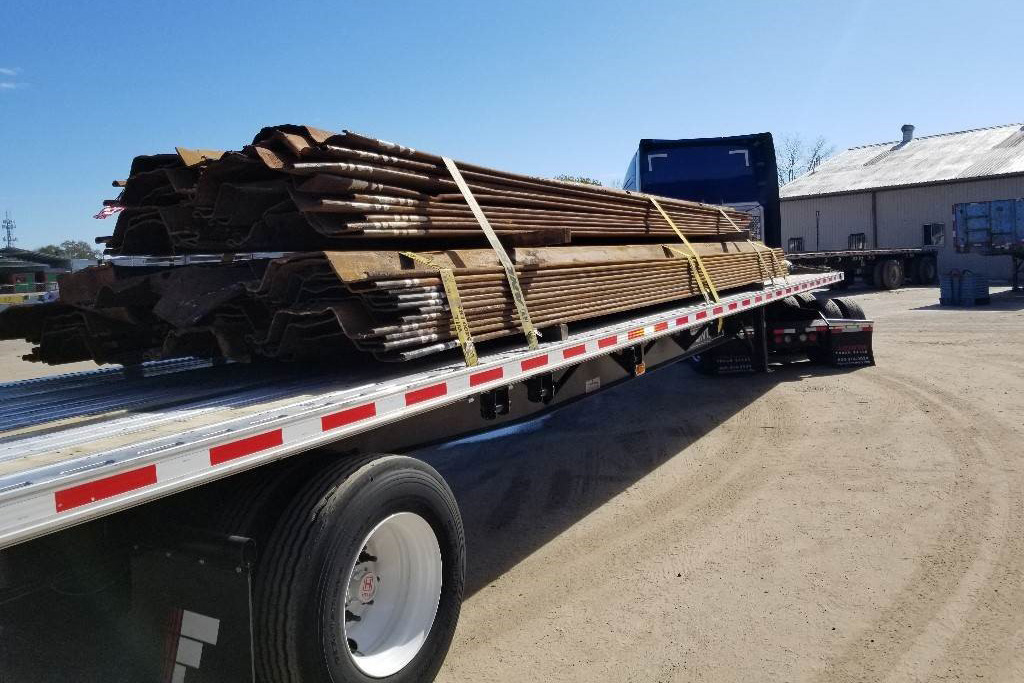
A 48′ x 102′ flatbed trailer is a familiar sight in the freight and construction world. Thanks to its versatile design and ability to meet road regulations, it’s a go-to option for hauling just about anything—whether it’s stacked lumber, heavy machinery, or other large cargo.
In this guide, we’ll walk you through what makes the 48′ x 102′ flatbed trailer so popular. We’ll cover its specs, what kind of loads it handles best, and what you should keep in mind about load limits—so you can see if it’s the right fit for your business.
Key Specifications of a 48′ x 102′ Flatbed Trailer
While specs can vary by manufacturer and configuration, most 48′ x 102′ flatbed trailers share the following characteristics:
- Length: 48 feet
- Width: 102 inches (8.5 feet)
- Deck Height: Typically, 60 inches (varies by axle and suspension setup)
- Axles: Tandem axle configuration
- Suspension: Spring or air ride
- Flooring: Apitong hardwood or steel
- Frame: Steel or aluminum
- Manufacturers like Fontaine, Transcraft, Wilson, and Great Dane offer different frame materials and weight-saving designs that can impact payload capacity and durability.
Understanding Load Capacity
If you’re wondering how much these trailers can actually carry, you’re not alone. The answer depends on a few key factors.
Most 48′ x 102′ flatbeds can handle somewhere between 45,000 and 48,000 pounds of cargo, as long as you’re working with the typical 80,000-pound maximum weight allowed for a truck and trailer combined.
However, actual capacity depends on:
- Trailer tare (empty) weight
- Axle spacing and configuration
- State and federal weight regulations
- Cargo distribution and securement
Common Uses for a 48′ x 102′ Flatbed Trailer
Because of its size and open design, this type of flatbed is seen everywhere—from construction sites to factories and farms.
Construction Materials
- Lumber
- Steel beams and rebar
- Drywall and prefabricated panels
Industrial & Manufacturing Freight
- Machinery
- Equipment skids
- Palletized freight
Agricultural & Energy Loads
- Crated equipment
- Pipes and tubing
- Farm or oilfield components
Since it’s built to standard width, you can move most loads without having to worry about getting special permits.
Cargo Securement Considerations
Because flatbed trailers lack sidewalls, proper load securement is critical. Most 48′ flatbeds come equipped with:
- Rub rails
- Stake pockets
- Winches
- Chain tie-down points
Drivers need to follow FMCSA rules for securing cargo, which lay out exactly how many tie-downs you need for different types and weights of loads.
Is a 48′ x 102′ Flatbed Right for Your Operation?
It is a solid choice if you:
- Haul standard-width freight
- Need flexibility for different load types
- Want to avoid oversize permits
- Operate across multiple states
For both fleets and owner-operators, this trailer size is a tried-and-true choice when you need a good mix of capacity, flexibility, and staying on the right side of the rules.
At Great Western Trailer, we work with customers across the U.S. to help them select, maintain, and source flatbed trailer parts that meet their hauling needs. Our team supports both new and used flatbed trailers, with service and parts support at our nationwide locations.
About Great Western Trailer
Since 1997, Great Western Trailer has been a trusted name in the semi-trailer industry. We proudly serve customers across 10 locations in the United States, offering Sales, Rentals, Leasing, Parts, Service, and Repairs.
Find us at: Phoenix, AZ – Fontana, CA – Dearborn, MI – Albuquerque, NM – Oklahoma City, OK – Tulsa, OK – Grants Pass, OR – Dallas, TX – Houston, TX – Salt Lake City, UT.


 Request Info